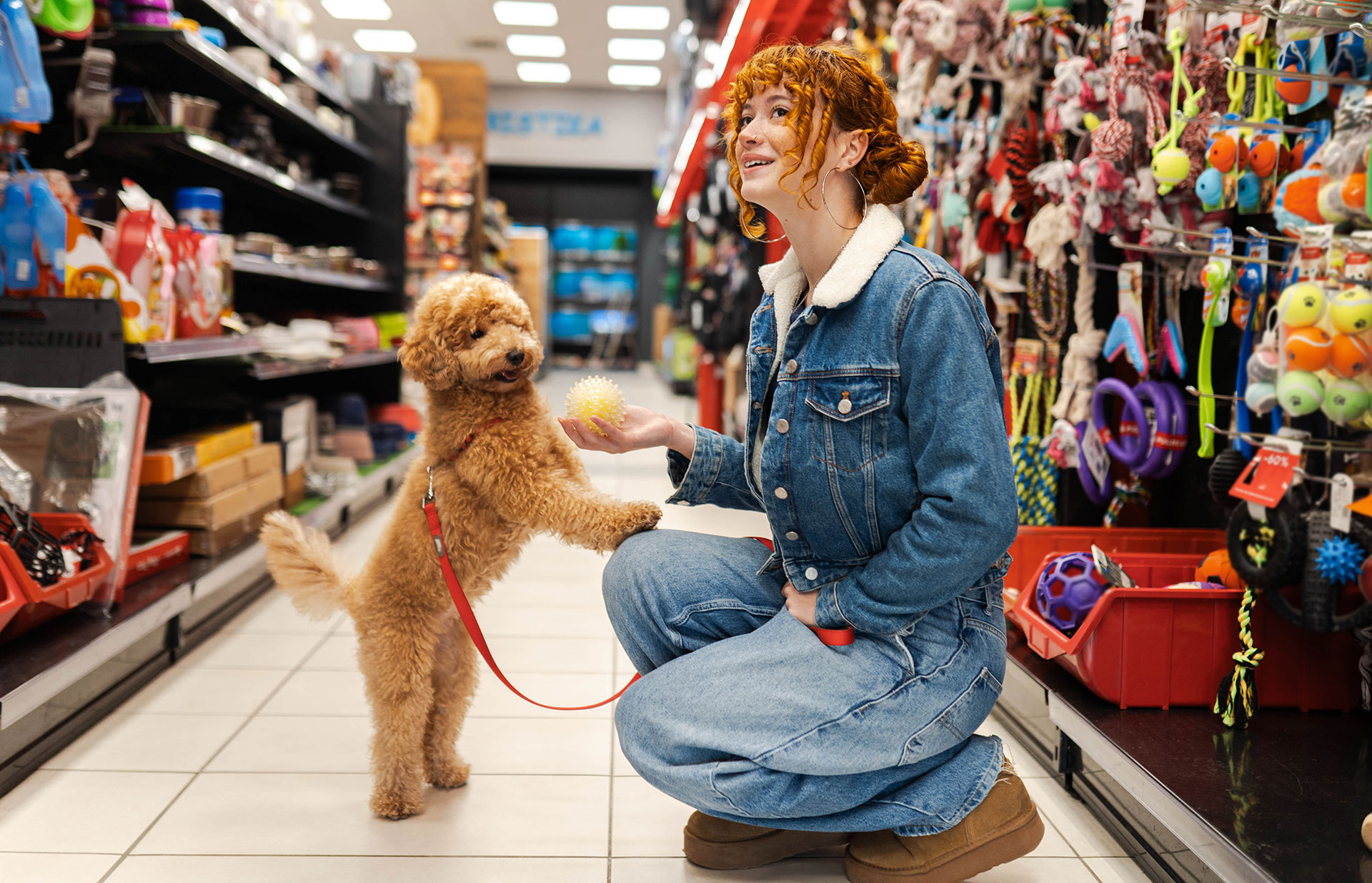
May 2026 - Fulfilment
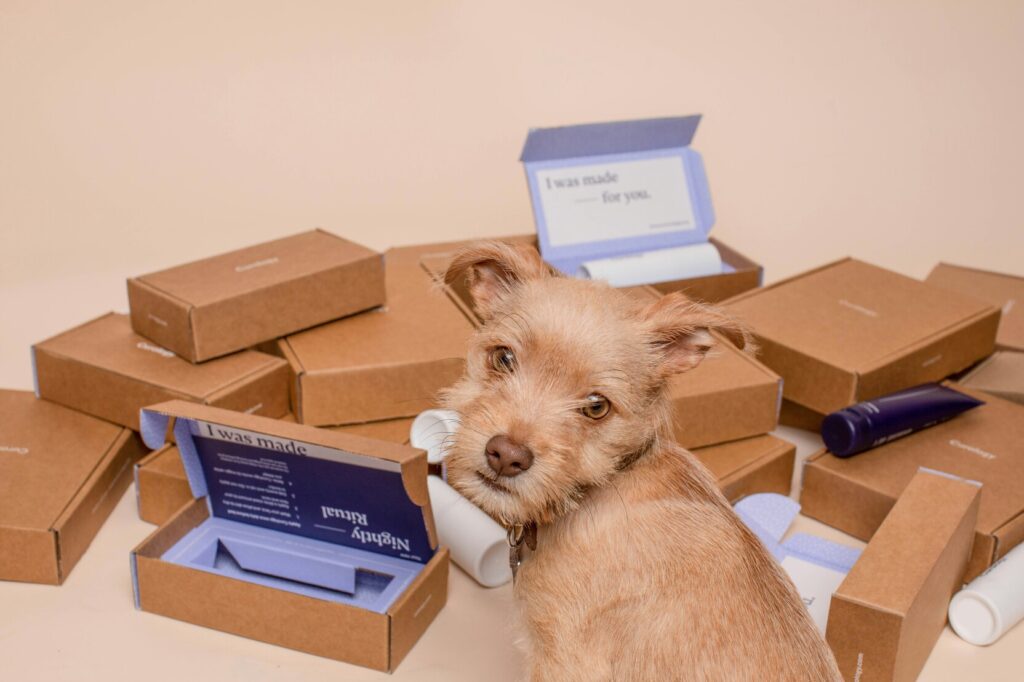
The pet accessories market continues to grow, with customers expecting fast deliveries, accurate orders and a seamless shopping experience every time they buy. Whether you’re selling collars, leads, toys, beds or grooming products, fulfilment plays a vital role in keeping customers satisfied and encouraging repeat purchases.
As product ranges expand and order volumes increase, fulfilment can become increasingly complex. Managing multiple sizes, colours and product variations requires careful organisation, while seasonal demand and promotional campaigns can place additional pressure on inventory and warehouse operations.
Fortunately, many of the most common fulfilment challenges can be avoided with the right planning and processes in place.
In this guide, we explore six fulfilment mistakes pet accessory brands should avoid to keep operations running smoothly and customers coming back.
If you’re reviewing your pet fulfilment processes and looking for ways to improve efficiency and accuracy, our team is here to help. Get in touch with us today.
Pet owners are often loyal customers. Once they find products they trust, they’re likely to return again and again. However, that loyalty depends on more than the quality of the product itself. The fulfilment experience also plays an important role.
Late deliveries, incorrect orders or stock shortages can quickly undermine customer confidence and create unnecessary pressure on your operations. For pet accessory brands managing a wide range of sizes, colours and product variations, these challenges can become increasingly difficult to control as the business grows.
To help avoid unnecessary disruption, we’ve outlined some of the most common fulfilment mistakes businesses in the pet accessories sector should be aware of.
Accurate forecasting is one of the foundations of effective fulfilment. Without a clear understanding of customer demand, it becomes difficult to maintain the right stock levels and keep products available when customers need them.
Pet accessories often come with multiple variations, making forecasting more challenging. A particular size of harness, colour of lead or style of pet bed may prove significantly more popular than expected.
Without effective forecasting, businesses can face:
Regularly reviewing sales performance, seasonal trends and purchasing patterns helps businesses maintain better inventory control and reduce the risk of costly stock imbalances.
As product ranges grow, inventory management becomes more complex. Without a clear SKU structure, even simple fulfilment tasks can become more time-consuming and prone to error.
When products are labelled inconsistently or similar variations are difficult to distinguish, warehouse teams may struggle to identify the correct items efficiently.
This can result in:
A well-organised SKU system improves stock visibility and helps ensure products can be located, picked and despatched accurately throughout the fulfilment process.
Even a small despatch error can have a significant impact on customer satisfaction.
Sending the wrong size collar, an incorrect colour lead or missing an item from a multi-product order creates additional work for both your team and your customer. It can also lead to avoidable costs and damage customer confidence in your brand.
Common consequences include:
Implementing clear quality control measures throughout the picking and packing process helps reduce errors and improve overall order accuracy.
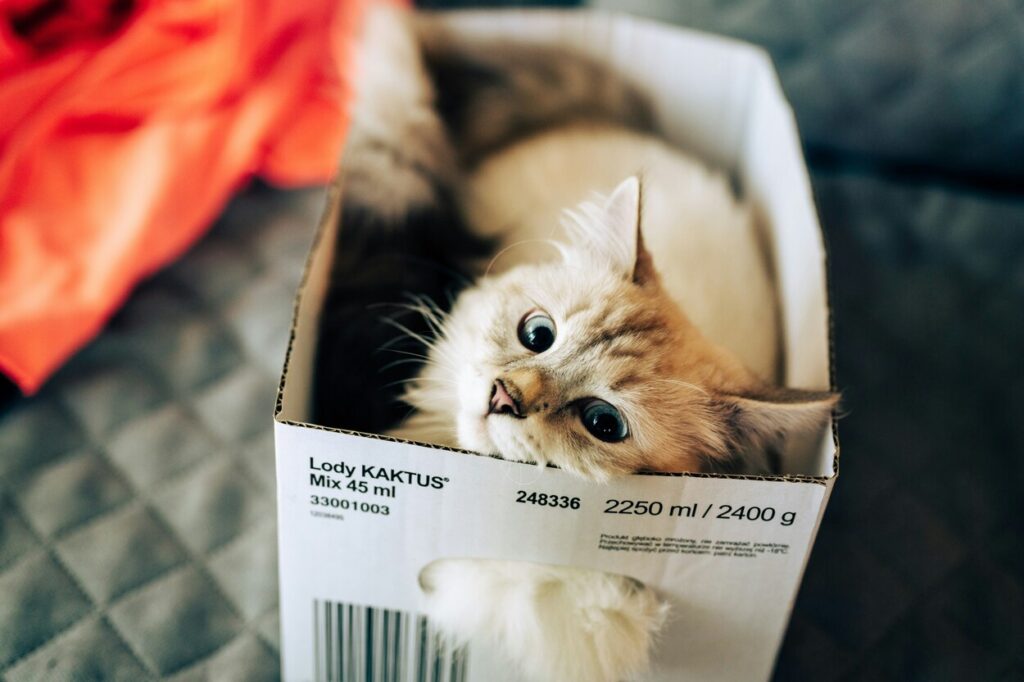
Packaging is often viewed as a final step in the fulfilment process, but it plays an important role in protecting products and creating a positive customer experience.
Many pet accessories require additional protection during transit. Ceramic bowls, grooming products and premium gift items can all be vulnerable to damage if packaging isn’t appropriate.
Poor packaging can lead to:
By selecting packaging that balances protection, presentation and practicality, businesses can reduce transit issues while maintaining an efficient fulfilment process.
Running out of stock doesn’t simply mean losing a sale. It can also disrupt customer loyalty and create longer-term operational challenges.
Many businesses focus heavily on current orders but overlook future replenishment requirements. By the time inventory levels become a concern, lead times and supplier availability may already be creating problems.
Effective replenishment planning helps businesses:
Having visibility of stock levels and future demand allows businesses to plan ahead rather than react to shortages once they occur.
Returns are an unavoidable part of eCommerce, particularly when customers purchase different sizes or decide a product isn’t quite right for their pet.
While outbound fulfilment often receives the most attention, returns management is equally important. Without a clear process in place, returned products can create inventory inaccuracies and unnecessary administrative work.
A poorly managed returns process can result in:
A structured returns workflow ensures products are processed efficiently and returned to available inventory as quickly as possible, helping to maintain both operational accuracy and customer satisfaction.
As pet accessory brands continue to grow, fulfilment becomes increasingly important to day-to-day operations. Processes that work effectively at lower order volumes may become difficult to manage as demand increases.
By focusing on accurate inventory management, organised warehouse processes and efficient order fulfilment, businesses can create a stronger foundation for long-term growth.
At JEM, we support businesses with every stage of the fulfilment journey, from inventory control and storage through to pick and pack, despatch and returns management. Our fulfilment solutions are designed to help businesses improve efficiency, maintain accuracy and scale with confidence.
Fulfilment mistakes can lead to unnecessary costs, operational challenges and disappointed customers. The good news is that many of the most common issues can be prevented through better planning, clear processes and effective inventory management.
If you’re looking to improve fulfilment performance and create a smoother experience for your customers, get in touch with our team today. We’ll help you build a pet fulfilment process that supports your operations, protects your reputation and allows your business to grow with confidence.
If you've any questions about this article, or just want to get in touch, simply fill out the contact form below.
Alternatively, you can call us on 01483 204479